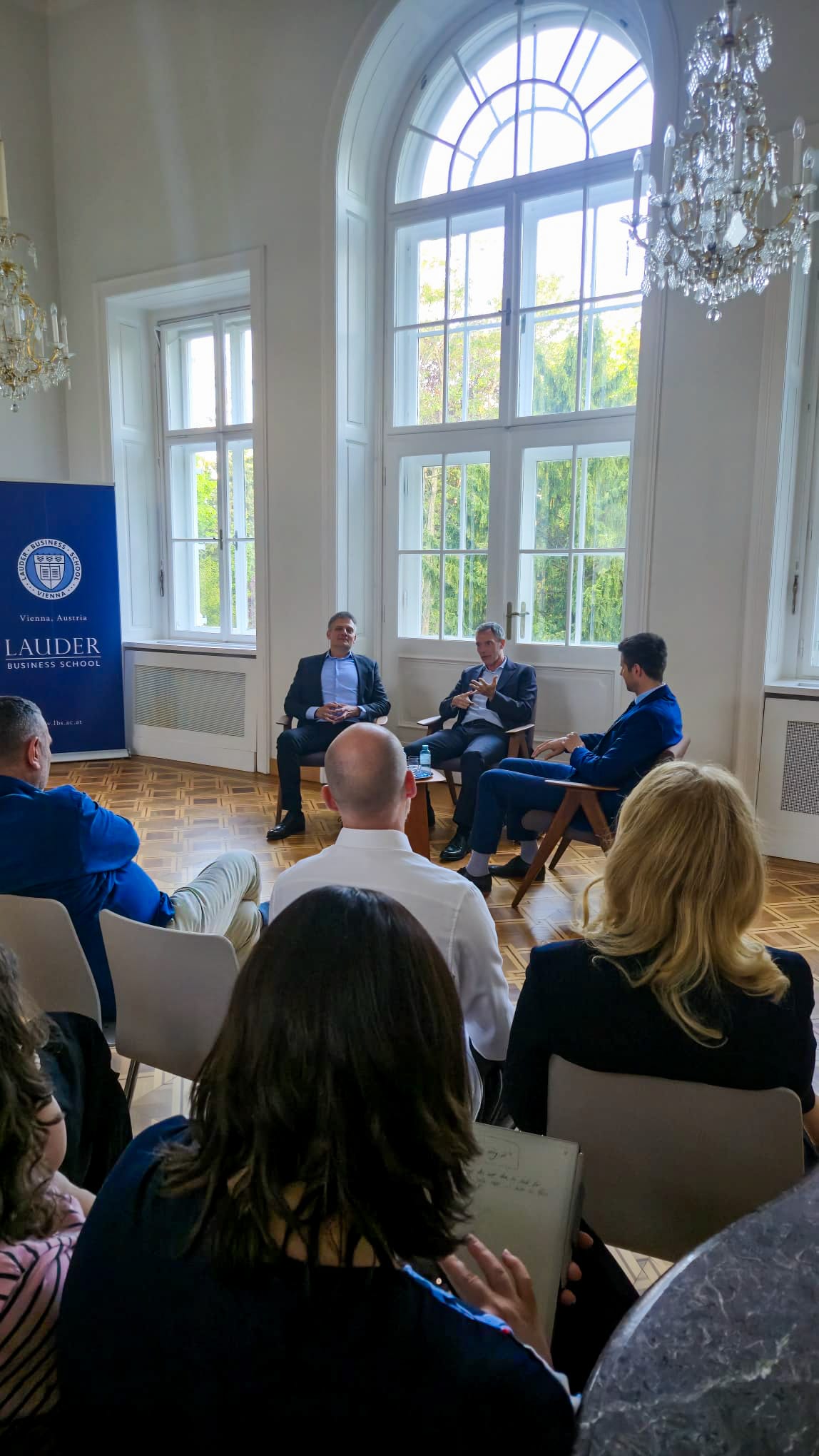
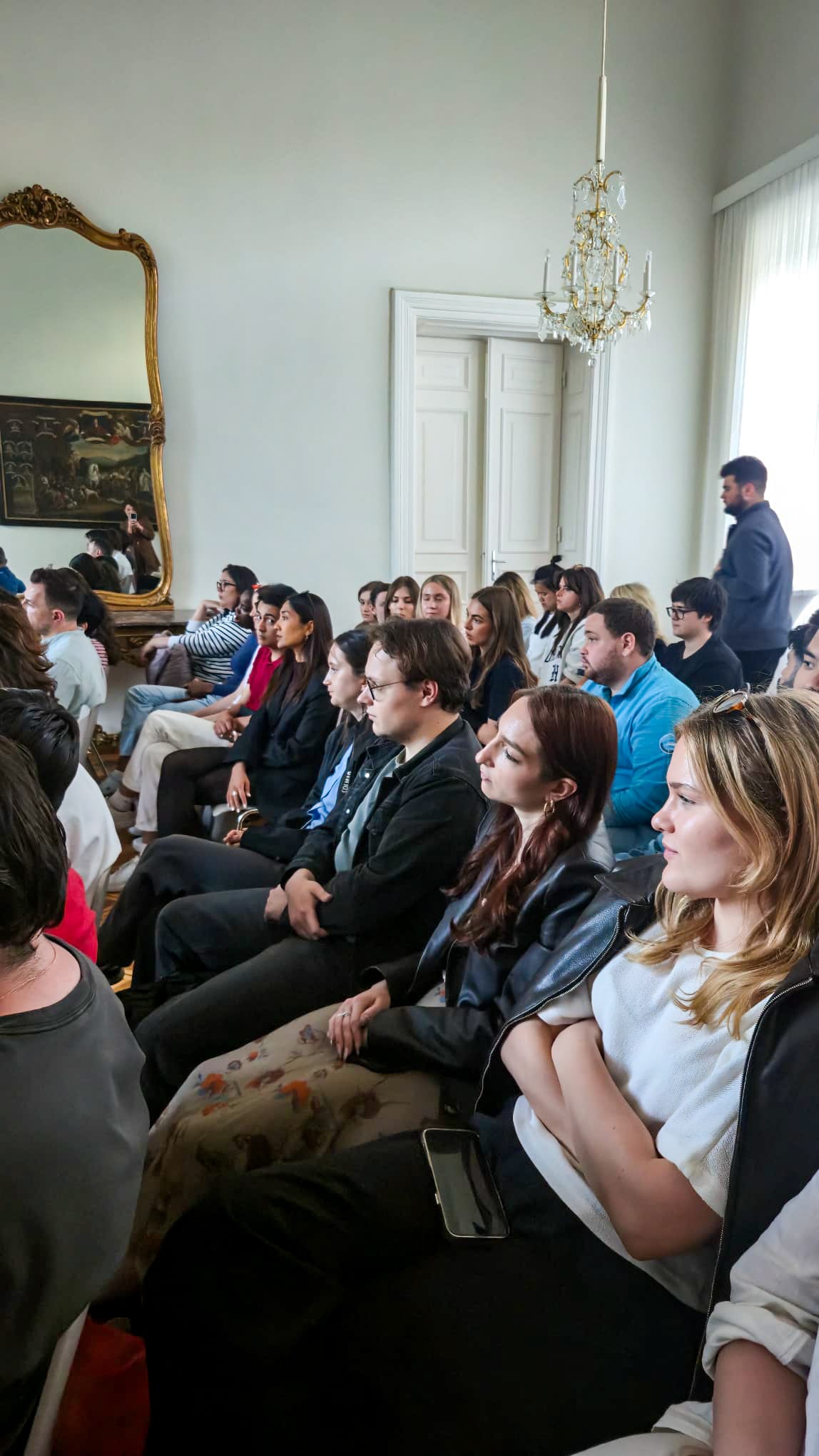
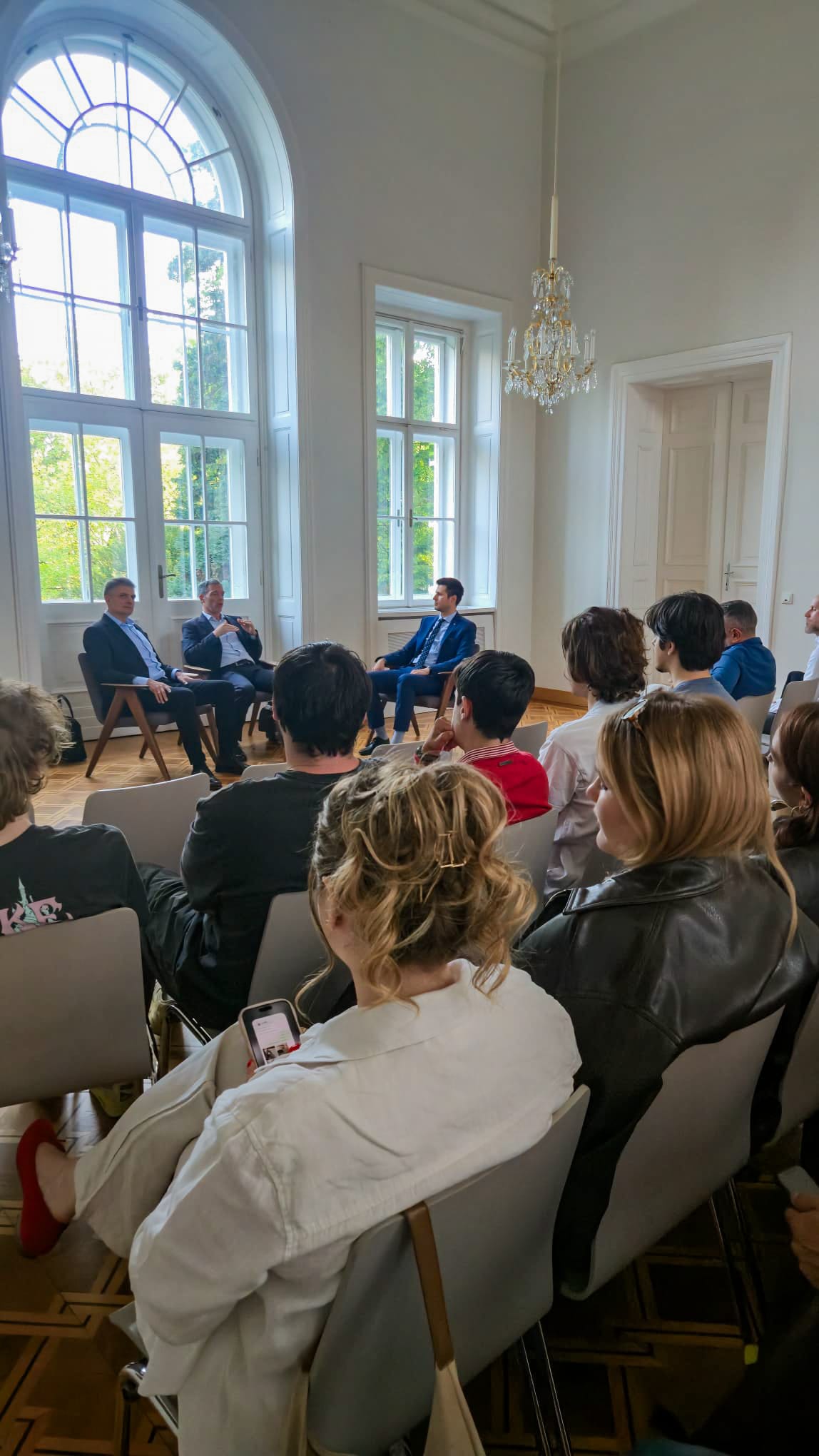
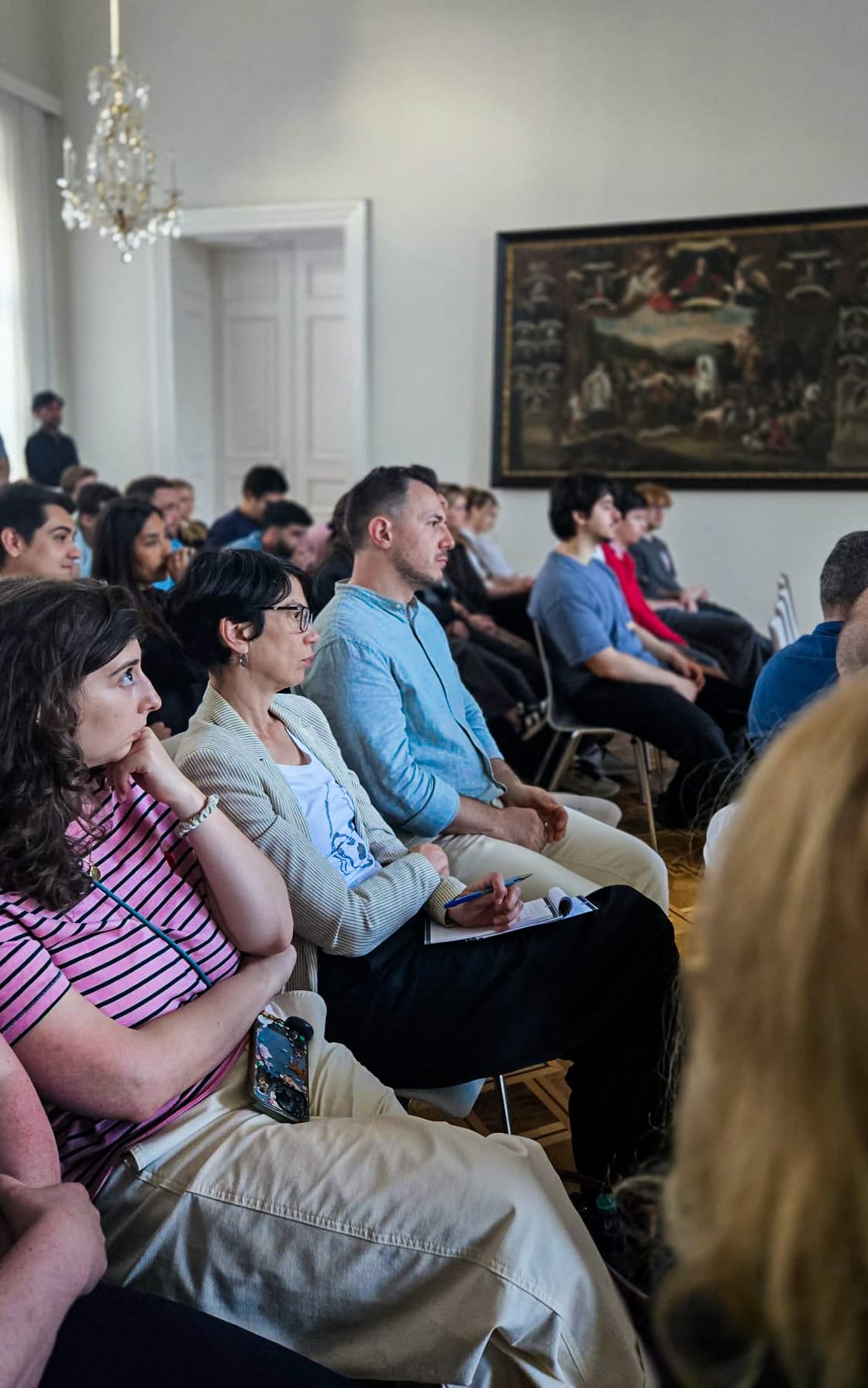
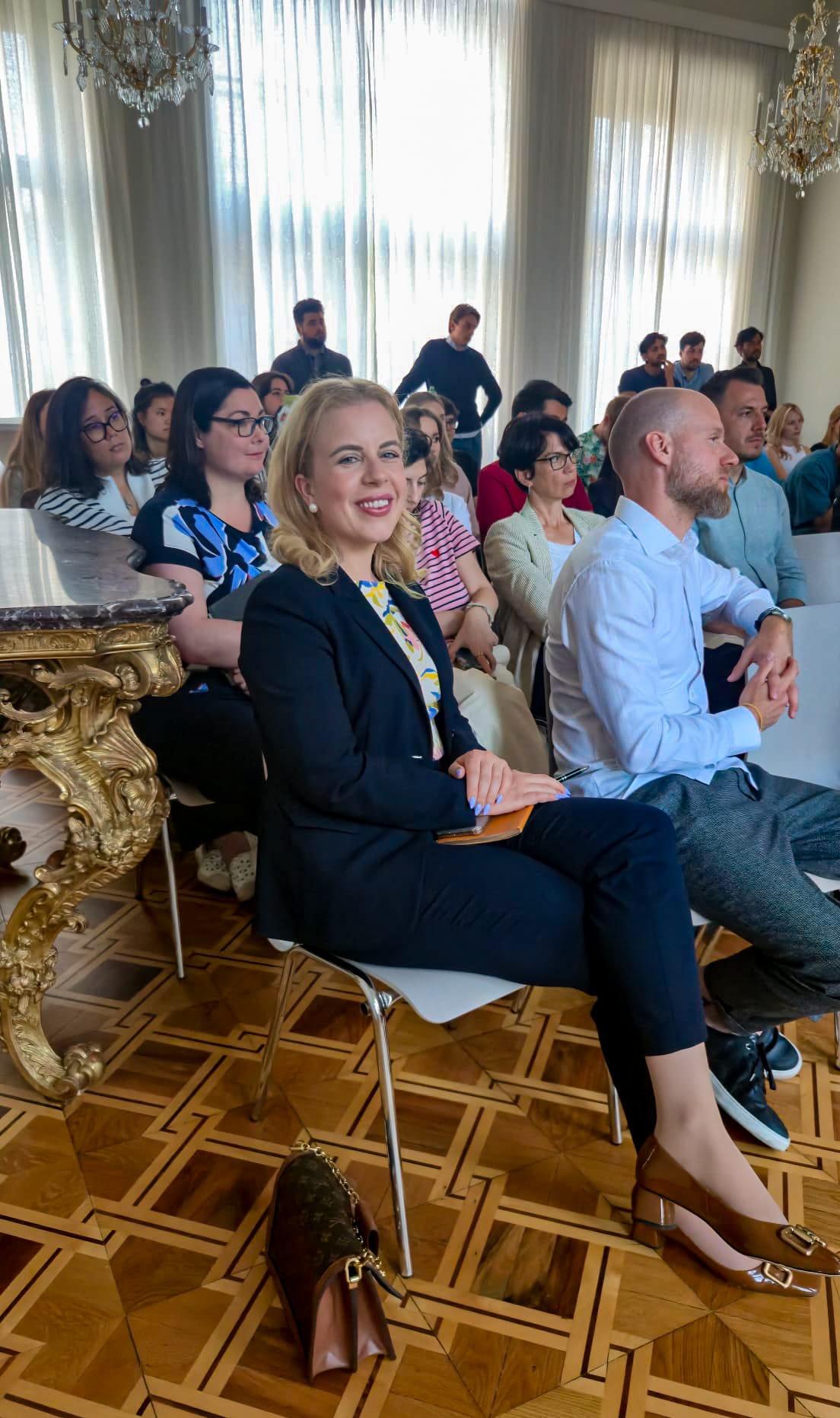
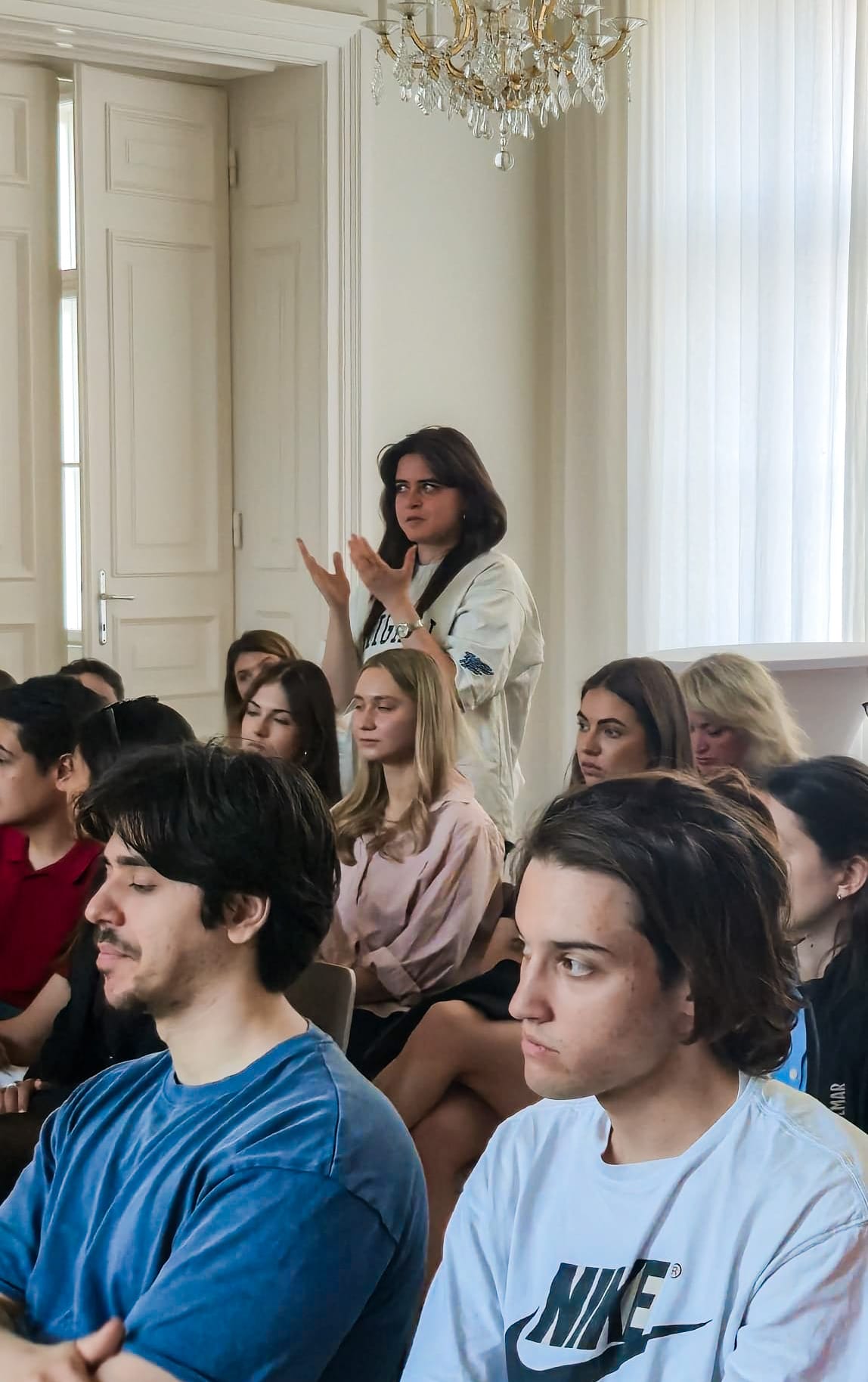
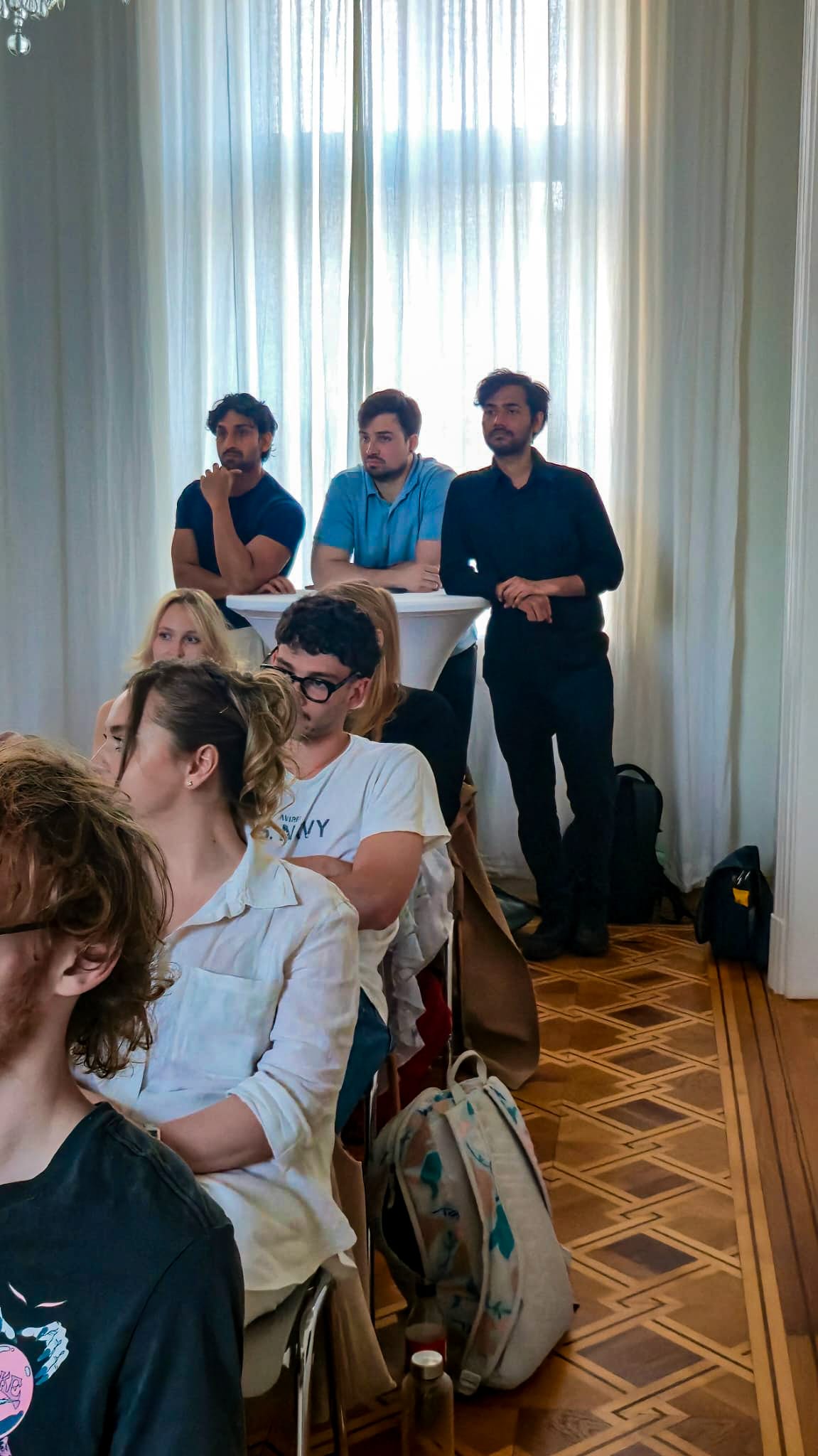
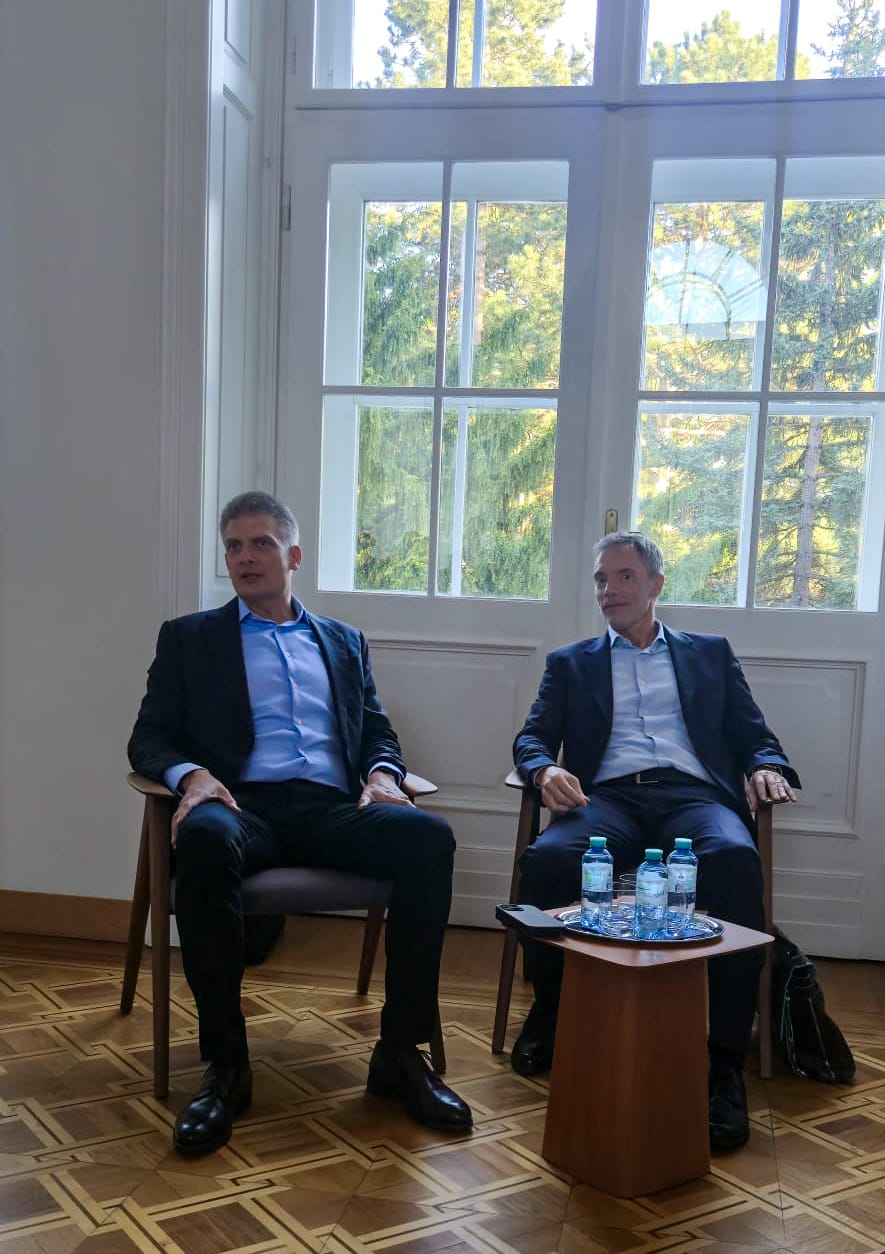
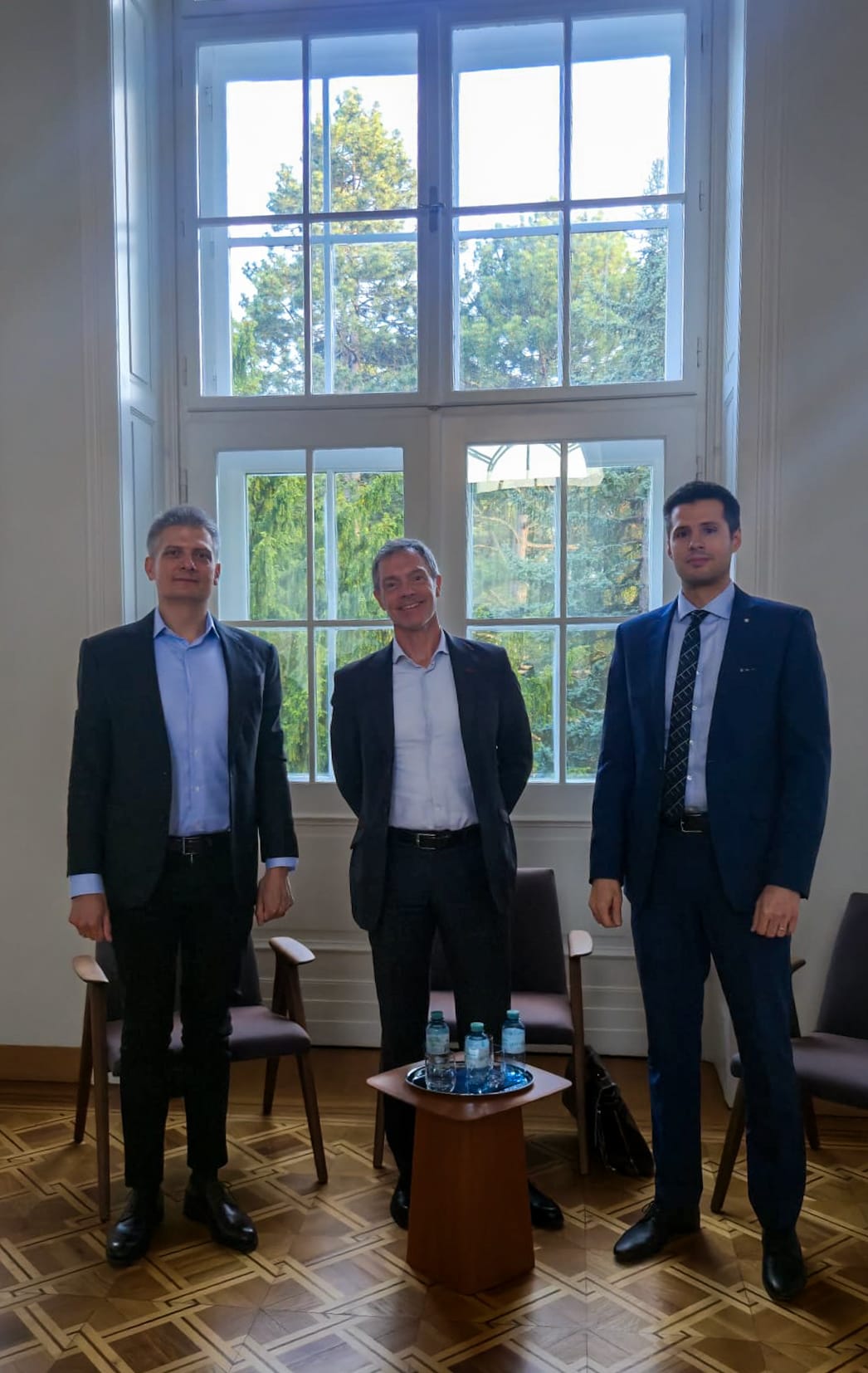
On Monday, 4 May, Lauder Business School hosted a no-nonsense conversation on business megatrends, the economy, and artificial intelligence. Featuring Dr. Balázs Lóránd, Group Head of AI at Aumovio, and Prof. (FH) Dr. Mag. Donald Baillie, Head of Risk Consulting DACH at Accenture Vienna, the discussion cut straight through the noise.
This wasn’t another recycled debate about what AI could do. It was a sharp, unapologetic look at what people are actually doing with it, and where they’re getting it wrong.
The message was clear: AI is not the bottleneck. Leadership is. Culture is. Courage is. Businesses and individuals who hesitate, delegate responsibility, or hide behind complexity will fall behind. Those who take ownership and act decisively will define the future.
This is what they said
From Basic Chat to Agentic AI
Both panellists pushed back against the idea that AI is primarily a technology question. Prof. Baillie argued we are entering the era of agentic AI, which requires structuring intelligent agents around highly specific business operations, triggering a new wave of business process re-engineering. Dr. Lóránd was direct: the real challenge is not selecting the right model. It is whether organisations are ready to reshape their entire processes around AI capabilities rather than simply automating low-value tasks. The message is this: technology changes, the discipline of thinking clearly about processes does not.
Europe's Position and the Value of Regulation
The discussion addressed Europe's low-to-medium AI maturity frankly, noting structural gaps in R&D investment and capital access. Rather than competing with the US or China on their own terms, the panel argued Europe must pursue technological sovereignty and lean into its regulatory strengths. Frameworks like the EU AI Act and GDPR, they contended, are genuine advantages rather than obstacles.
Future-Proofing Your Career: What Will Matter When the Hype Settles
Dr. Lóránd advocated for deep domain expertise in one area combined with genuine AI literacy in another. Both panellists agreed that certifications help get you through the door, but what creates real value is the ability to apply that combination to specific business problems. Soft skills, out-of-the-box thinking, empathy and lifelong learning remain the ultimate differentiators. Prof. Baillie emphasized the importance of certifications: not because credentials define capability, but because they get you past the first filter. What matters after that is demonstrating real value through a portfolio of hands-on work, however small the project.
On the Job Market: Honest News
Entry-level hiring has contracted, but both panellists argued the correction is temporary. To overcome the hurdle of entry-level roles requiring years of experience, both panellists recommended building hobby projects to tangibly prove you can create value. Get into small, dynamic companies while you can afford to fail. Build a portfolio. Network in person. Actively demonstrate how you can solve an employer's specific problems. Do not wait for applications to do the work.
Where to Invest $100,000 Today
To close the evening, the panellists were asked where they would put $100,000 in the AI space right now. Their answers pointed to two complementary pillars of the AI revolution.
Powering the technology. Prof. Baillie's answer: solar energy. The data farms that agentic AI requires will need substantial power, and that infrastructure still needs to be built.
Empowering the people. Dr. Lóránd pointed to AI training academies, arguing that teaching workers to continuously adapt and utilise AI is currently one of the most lucrative and necessary markets around.
Key Takeaways
· AI adoption is an organisational challenge before it is a technical one.
· Domain knowledge plus AI literacy, is where real value gets created.
· Europe's regulatory framework is a strength, not a handicap.
· Soft skills and lifelong learning are the differentiators that AI cannot replicate.
· The job market will recover. The professionals ready to make AI work will be in demand.
We extend our sincere thanks to Dr. Lóránd and Prof. Baillie, and to everyone who joined us for the discussion and dinner.
Related Blogs