
Vienna has steadily built its reputation as one of Europe's more accessible and internationally oriented study destinations. Historically associated with German-language academic traditions, the city has undergone a significant shift over the past two decades, with a growing number of public and private institutions offering degree programs taught entirely in English. This shift has made Vienna genuinely competitive as a destination for international students who want the quality of a Central European education without the language barrier that previously limited their options.
The range of English universities in Vienna now spans public research universities with large international student communities, private institutions with smaller cohorts and industry-focused curricula, and online providers that extend access to Vienna-based credentials to students studying from anywhere in the world. This guide covers the landscape, the key institutions, and the factors that should inform a student's decision about where to study.
Why Study in English in Vienna?
A Growing International Student Population
Austria's higher education sector has attracted increasing numbers of international students, and Vienna accounts for the majority of that growth. The city's institutions have responded with expanded English-language offerings, dedicated international student support services, and academic environments that are genuinely multicultural rather than internationally inclusive in name only. Students from across Europe, Asia, Africa, and the Americas study in Vienna, and the resulting diversity shapes the quality of classroom discussion and the breadth of the professional networks students build during their studies.
Austria's Reputation in Higher Education
Austria maintains a strong national framework for higher education quality assurance. Public universities operate under federal oversight, and private universities must receive institutional accreditation from the Austrian Accreditation Council (AQ Austria) to operate and award degrees. This two-tier system means that students at both public and accredited private institutions receive qualifications that are recognised within the EU and, depending on the institution's additional accreditations, internationally. For students considering study in English in Vienna, the accreditation status of the institution they choose is therefore a meaningful indicator of the qualification's portability.
Vienna's Quality of Life
Vienna has ranked at or near the top of global liveability indices for several consecutive years, consistently scoring highly for stability, infrastructure, healthcare, and environmental quality. For international students, these factors translate into a study experience that is less logistically demanding than in many larger Western European capitals. Public transport is efficient, daily costs are manageable relative to London or Zurich, and the city's safety record and cultural richness make it an attractive environment for a multi-year period of academic engagement.
Access to European Career Opportunities
Studying in Vienna provides access to a professional environment shaped by the presence of major international institutions, multinational regional headquarters, and a growing startup ecosystem. The city's Central European location places it within reach of the major economies of Germany, Switzerland, the Czech Republic, and Hungary, all of which represent significant career markets for graduates with international business or management credentials. An EU-recognised degree completed in Vienna carries weight across these markets and beyond.
Public vs Private Universities in Vienna
Public Universities
Vienna's public universities are among Austria's most established academic institutions, with strong research profiles, large alumni networks, and broad international partnerships. The three most relevant for students interested in English-language study are the University of Vienna, WU Vienna, and TU Wien.
The University of Vienna, founded in 1365, is one of the oldest universities in the German-speaking world and offers a growing portfolio of English-taught master's programs across the humanities, social sciences, and natural sciences. WU Vienna (Vienna University of Economics and Business) has built a strong international reputation in business and economics, offers English-taught programs at both bachelor and master levels, and maintains a large international student community. TU Wien (Vienna University of Technology) is a leading technical university with an expanding range of English-language engineering and computer science programs.
Public universities offer significant advantages in terms of institutional scale, research depth, and domestic employer recognition. Class sizes tend to be larger, and the level of individual academic support varies accordingly.
Private Universities
Austria's private universities are accredited by AQ Austria and operate under the same national quality framework as public institutions. They are generally smaller, more internationally oriented, and more focused on applied and industry-relevant education. Class sizes are typically smaller, which means more direct contact with faculty and a more personalised academic experience. Private universities in Vienna tend to attract internationally diverse cohorts, teach entirely or predominantly in English, and place greater emphasis on career development and practical learning outcomes.
For students seeking an English university in Vienna with a business or management focus, private institutions are often the more natural fit, offering programs designed specifically for international students and taught by faculty with direct industry experience.
English Universities in Vienna: Key Institutions
Lauder Business School
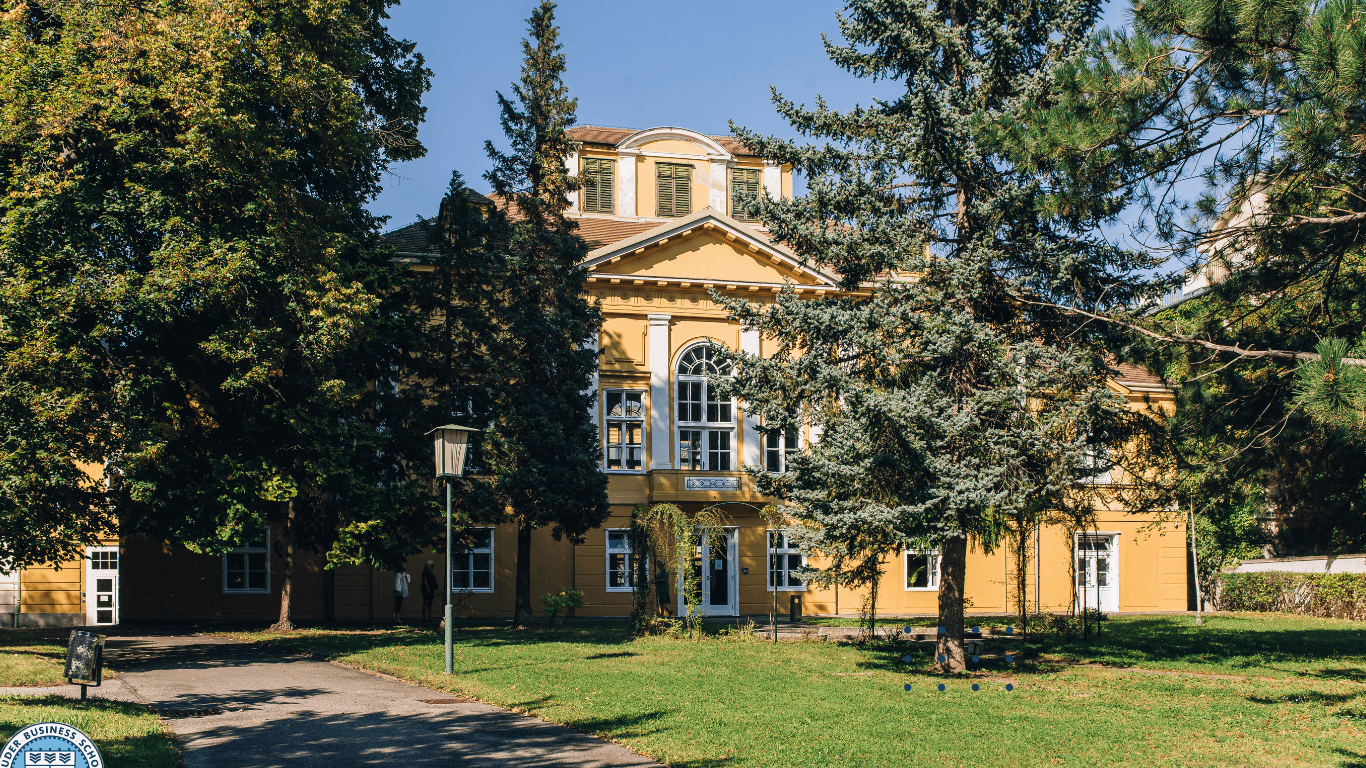
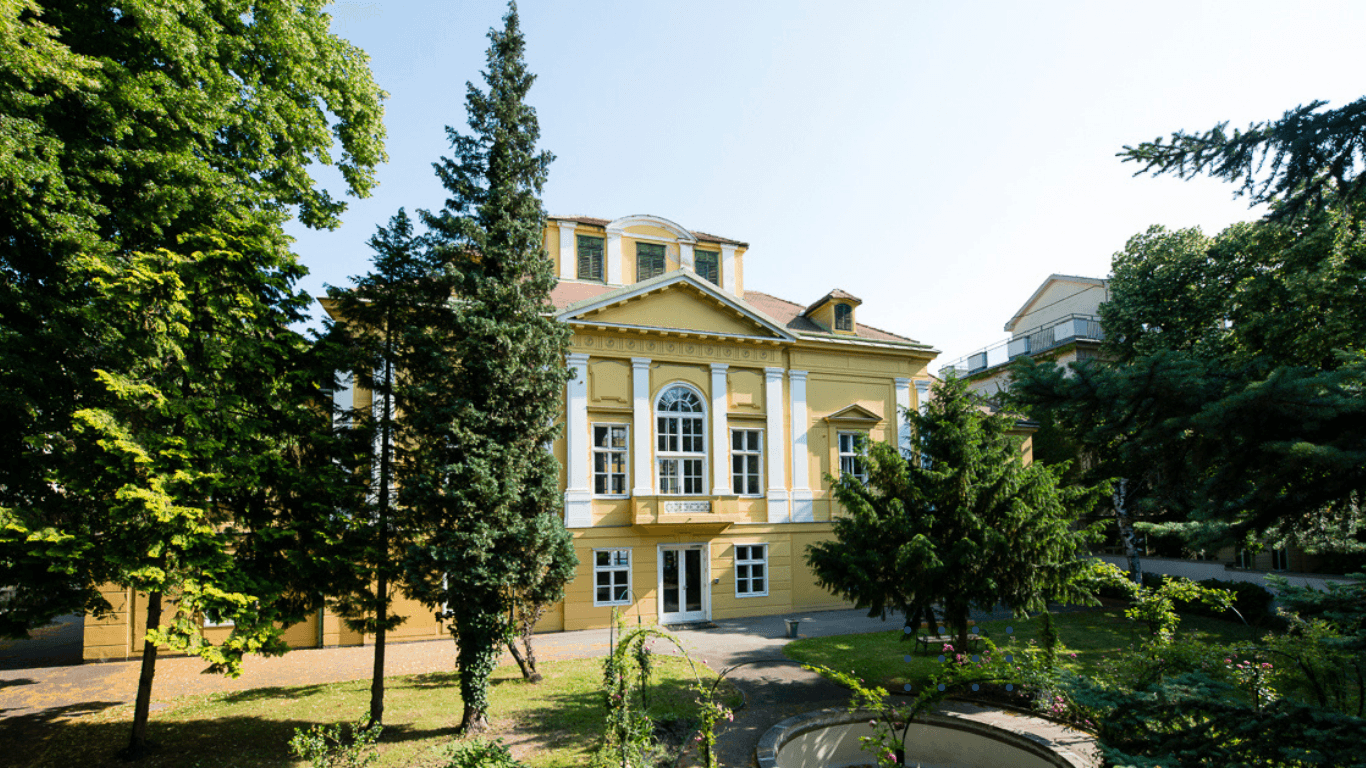
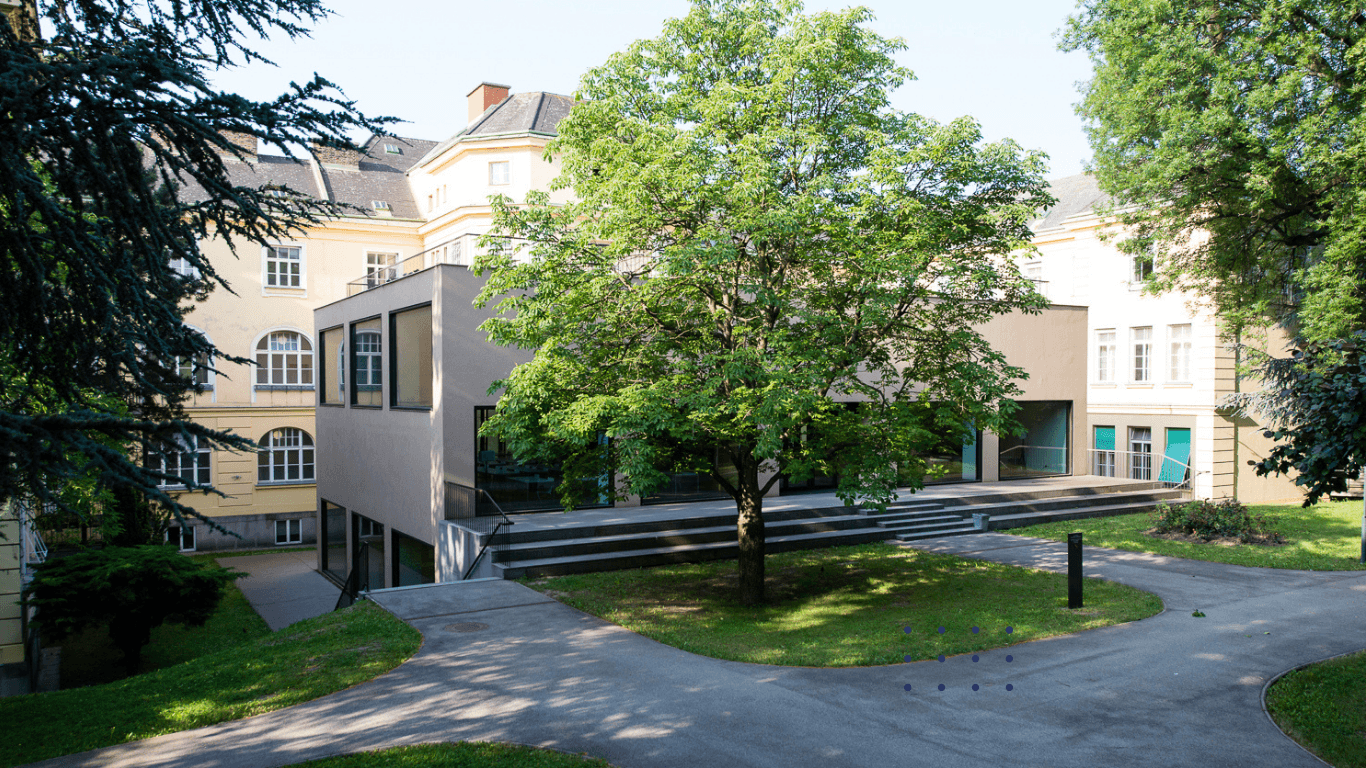
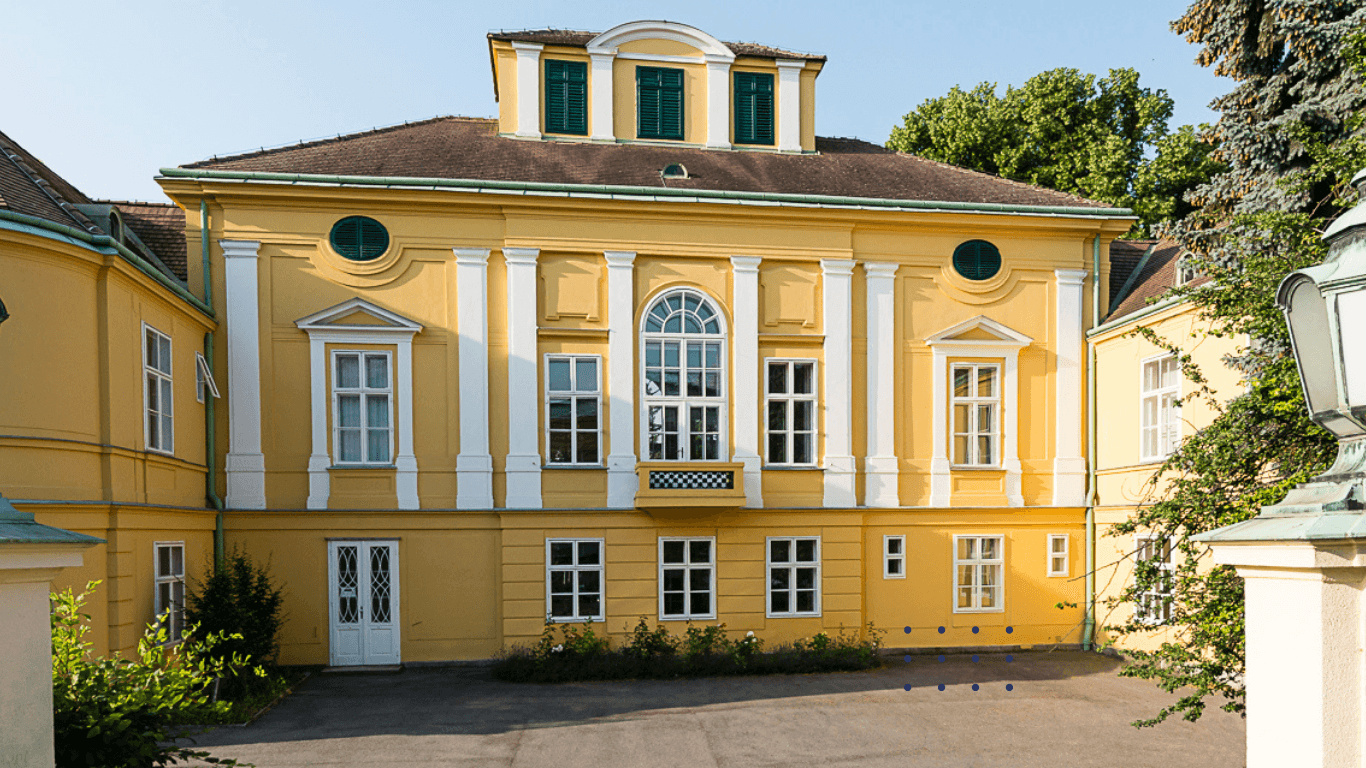
Lauder Business School (LBS) is a private university in Vienna specialising in business education delivered entirely in English. The school holds accreditation from AQ Austria and ACBSP (USA), and its programs are designed with a strong international orientation, attracting students from across Europe, Asia, Africa, and the Americas. LBS focuses on practical business education, with faculty drawn predominantly from active industry roles, and offers a range of study pathways from bachelor to executive level. The school's campus is located in the 19th district of Vienna, within a residential and internationally mixed part of the city.
LBS offers three primary English-language study pathways:
• International Business Administration (IBA) is a bachelor's-level program designed for students seeking a broad grounding in international business, combining core management disciplines with cross-cultural business strategy, finance, and marketing. The program is taught in English and draws students from multiple countries, creating a genuinely multicultural learning environment from the first semester.
• International Management and Leadership (IML) is a master's-level program for students looking to develop strategic management and leadership capability in international contexts. The program emphasises applied learning, with a curriculum shaped by current industry challenges and taught by practitioners with direct management experience across sectors.
• Online MBA is a fully online, self-paced graduate business program designed for working professionals who want to pursue management education without stepping away from their careers. The program is taught in English, admits students on a rolling monthly basis, and is structured to accommodate students studying across time zones and professional commitments.
Webster Vienna Private University
Webster Vienna Private University operates as part of the Webster University network, a US-based institution with campuses across Europe and Asia. It brings an American educational model to Vienna, offering undergraduate and graduate programs taught entirely in English across business administration, media communications, and related fields. MBA options are available at the graduate level. Webster Vienna attracts students from a large number of countries and serves those who specifically value the structure and academic culture of American higher education within a European setting.
Modul University Vienna
Modul University Vienna is a private university offering all programs in English, with particular strengths in international management, tourism and hospitality, data science, and sustainability. The university has a strong international profile and attracts students with interests in these specific fields. Its sustainability-focused programs have grown in prominence as employer demand for graduates with environmental and ESG competencies has increased. Modul University is accredited by AQ Austria and maintains active international partnerships.
WU Vienna (Vienna University of Economics and Business)
WU Vienna is one of the largest business universities in Europe and carries strong recognition both domestically and internationally. It offers English-taught programs at bachelor, master, and doctoral levels, and its campus, opened in 2013, is one of the most architecturally distinctive university facilities in the region. WU combines large-scale academic resources with extensive international partnerships and a well-developed alumni network. For students whose career goals centre on Austria or the broader DACH region, WU's domestic brand recognition is a significant asset.
Can You Study Online from Vienna?
The growth of online business education has opened Vienna-based academic credentials to a much wider international audience. Students who are not relocating to Austria can now enroll in accredited programs delivered by Vienna institutions, study in English from their home country or current location, and graduate with an EU-recognised qualification without the logistical and financial commitment of an international relocation.
Online study formats are particularly well-suited to working professionals who want to pursue graduate education alongside their careers. Flexible intake schedules, self-paced delivery, and digital learning infrastructure have closed much of the experiential gap between online and campus-based programs. The most effective online programs combine asynchronous coursework with live virtual sessions, industry practitioner contributions, and collaborative project work that produces a learning environment closer to campus study than early distance-learning formats allowed.
The LBS Online MBA is an example of this approach: a fully online program with flexible monthly intake, taught by practitioners, and structured around the needs of working professionals studying across multiple time zones. Students do not need to be based in Vienna to benefit from the school's institutional accreditation, faculty network, and academic framework.
For students considering online university options more broadly, the key evaluation criteria are the same as for campus programs: accreditation status, faculty quality, career support infrastructure, and the strength of the alumni network. Delivery format is a secondary consideration once these fundamentals are satisfied.
How to Choose the Right English-Language University in Vienna
With several credible options available, the decision between Vienna's English-language institutions comes down to a set of factors that vary in weight depending on the individual student's goals and circumstances.
Accreditation
Accreditation from AQ Austria is the baseline requirement for any Austrian private university. For students targeting international careers, additional accreditation from bodies such as ACBSP, AACSB, or EQUIS strengthens the international recognition of the qualification. Students should verify accreditation status directly rather than relying on institutional claims.
Program Specialization
Vienna's English-language institutions cover different academic territories. WU Vienna and Modul University offer a wider subject range, while LBS and Webster Vienna focus specifically on business and management education. Students with clear subject interests are better served by institutions where their program sits at the centre of the academic offering rather than at the margins.
Study Format and Class Size
Campus-based study at a large public university offers a different experience from a small private institution with cohorts of 20 to 40 students. The right choice depends on how a student learns best. Students who benefit from direct faculty access, peer cohesion, and a more structured support environment tend to thrive in smaller private institution settings. Students who prefer academic independence and value access to broad research resources may find the public university environment better suited to their style.
Career Support and Industry Connections
Career services vary significantly between institutions in terms of their proactivity, employer relationships, and geographic reach. Students should ask specific questions about internship placement rates, graduate employment outcomes, and the practical structure of career support before committing to a program.
International Opportunities and Student Mobility
Exchange programs, international partnerships, and the geographic distribution of alumni are all relevant to the international dimension of a program's value. Institutions with active Erasmus+ participation and bilateral exchange agreements extend the learning experience beyond Vienna, which adds both academic and professional value for internationally oriented students.
Tuition and Financial Planning
Tuition varies considerably between public and private institutions and between program levels. Public university fees tend to be lower, particularly for EU students, while private institutions charge tuition that reflects the cost of smaller class sizes and more intensive support. Students should evaluate the total cost of study including living expenses, not tuition alone, and consider whether financial support options such as scholarships, Erasmus+ grants, or flexible payment structures are available.
Conclusion: Navigating English-Language Study Options in Vienna
Vienna's English-language education landscape is more varied and more internationally accessible than many prospective students initially expect. From large public research universities to focused private business schools and fully online programs, the options are sufficiently diverse to accommodate a wide range of academic profiles, career goals, and study formats.
The decision comes down to matching the right institutional environment to the right student. Accreditation, program specialization, class size, career support, and international opportunities are the variables that distinguish programs in practice. Rankings and institutional reputation provide context but should not substitute for direct research into outcomes, accreditation specifics, and program structure.
For students specifically interested in business education in English, LBS offers three complementary pathways: the International Business Administration bachelor's program, the International Management and Leadership master's program, and the Online MBA for working professionals. Together, these represent a coherent progression through internationally focused, English-language business education delivered in Vienna.
Related Blogs